
Reconstructing silver halide details.
We bypass generic smoothing filters. Our neural networks analyze physical emulsion chemistry to rebuild lost details with absolute historical accuracy.
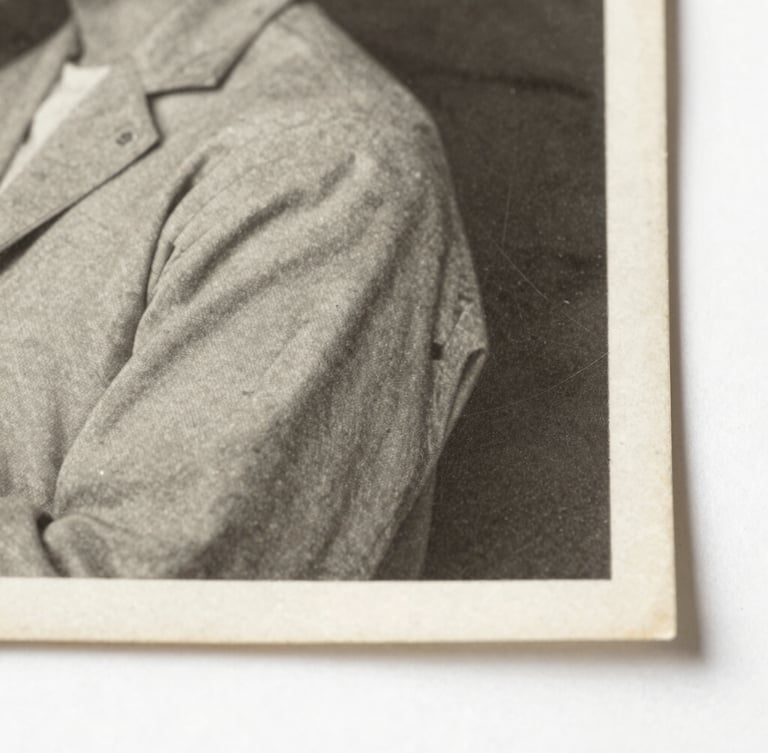
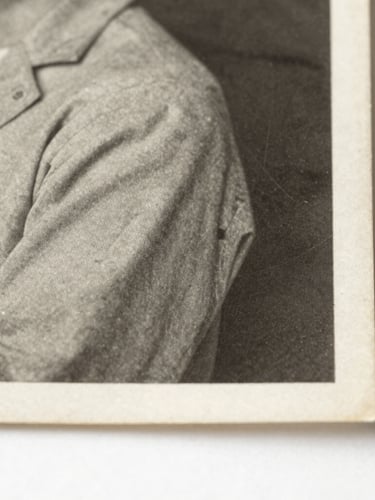
Respecting original grain.
Unlike standard AI tools that brush away texture, our model identifies the unique silver halide structures of vintage prints. We restore sharpness while retaining the organic paper grain.
By studying historical photo emulsions, our algorithms reconstruct missing details based on period-specific chemistry rather than modern digital interpolation.
Three steps to preservation.
Micro-Scanning
Halide Analysis
Fidelity Render
We capture physical media at ultra-high resolutions, preserving every microscopic detail of the original paper emulsion.
Our neural network maps the chemical degradation, separating age-related damage from the original image details.
We reconstruct missing pixels using historical lens profiles, delivering a high-fidelity, print-ready digital archive suitable for museum display.
Begin your archive.
Safeguard your family heritage or restore professional assets with museum-grade digital reconstruction. We deliver ultra-high resolution files ready for fine-art printing.