
The proof is in the grain.
See what happens when we use modern technology and AI to preserve precious memories.
Gallery
Photo Restoration





LinkedIn Profiles
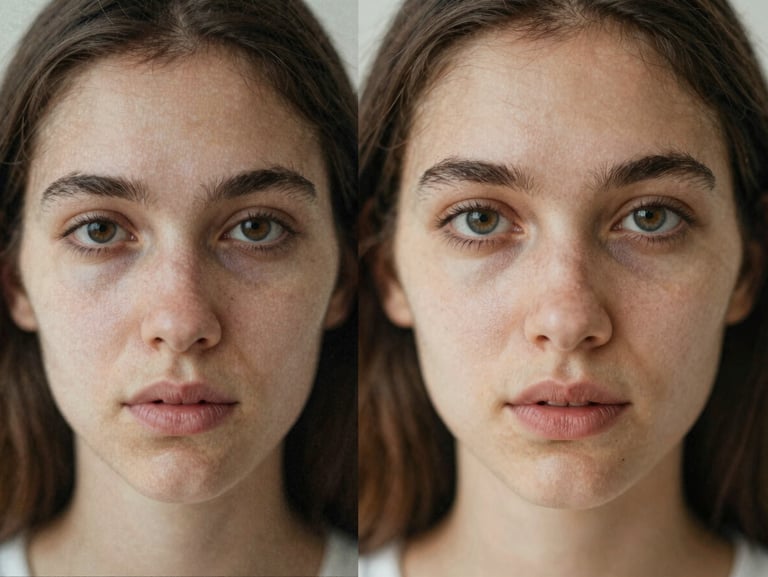
From Casual Pics to LinkedIn
From a regular grad photo revamped
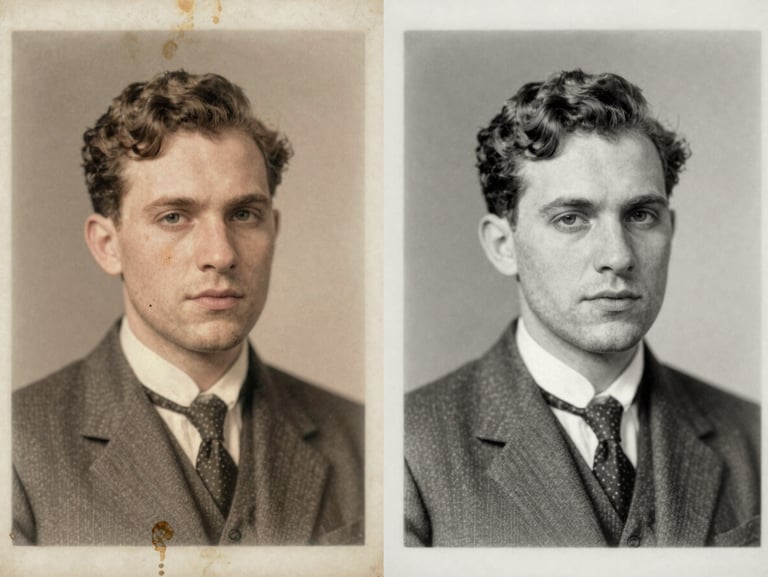
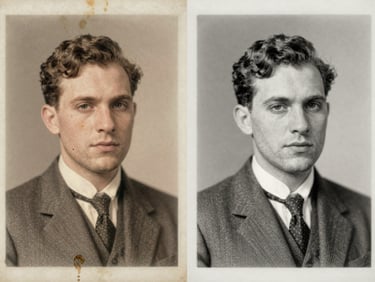
Reclaiming original contrast and paper texture from severe water staining and chemical fading. We isolate the stain layer to restore the silver halide print beneath.
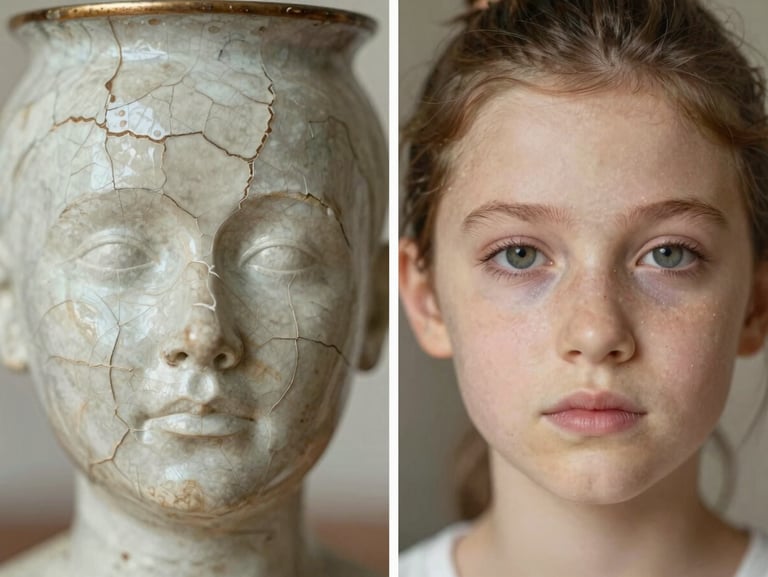
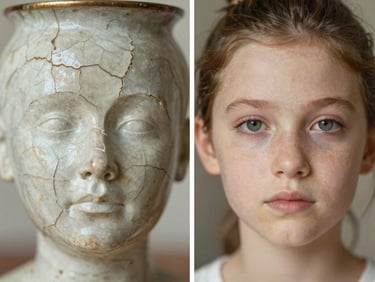
Mending deep creases and emulsion tears without altering the underlying facial structure. Our network fills physical gaps using historical portrait data.
EXTREME FADING
From low resolution to upscaling
Reconstructing fine silver halide details from faded, low-contrast historical prints. We recalibrate exposure values while maintaining authentic chemical grain.
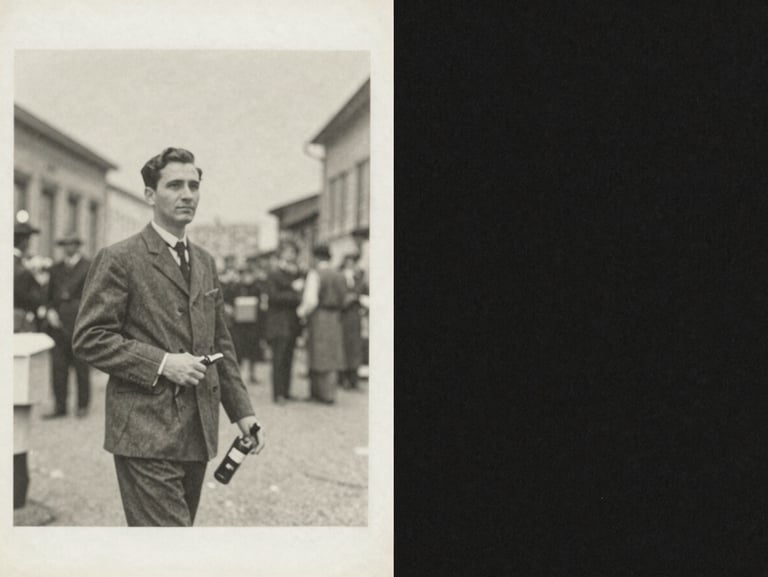
Upscaling low-resolution digital scans while preserving authentic vintage print grain. Ideal for preparing small family snapshots for large-format gallery printing.


Colorizing history, pixel by pixel.
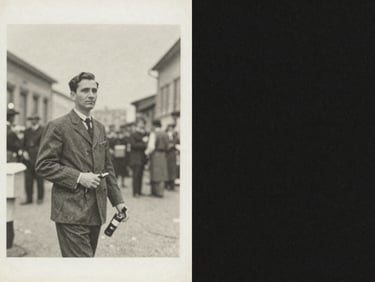
The 1914 Heritage Portrait
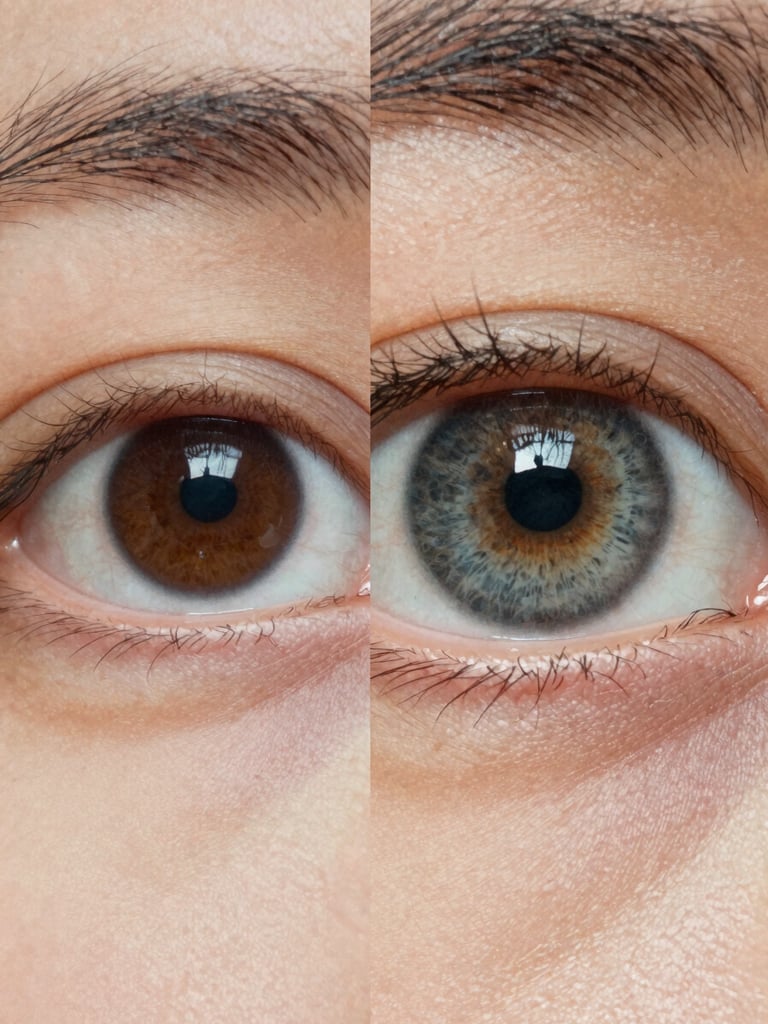
Recovering lost eye details and fine hair textures from a cracked family heirloom. Our neural network reconstructed the original silver halide structure without generic smoothing.
Preserving precious memories
Lifting decades of chemical oxidation and silver mirroring from a mid-19th-century plate, revealing the original sharp contrast and deep shadow details.
Reconstruct, don't just smooth.
Standard AI upscalers erase history. They apply aggressive smoothing filters that turn genuine skin texture into plastic-like surfaces, destroying the historical soul of your photograph.
Our archival-grade algorithms analyze the underlying grain structure, physically reconstructing lost details to match the exact chemical print characteristics of the era.
AI Photography
01 / WATER DAMAGE
02 / DEEP CREASES
Reclaiming original contrast and paper texture from severe water staining and chemical fading. We isolate the stain layer to restore the silver halide print beneath.
Mending deep creases and emulsion tears without altering the underlying facial structure. Our network fills physical gaps using historical portrait data.
03 / EXTREME FADING
04 / LOW-RES UPSCALING
Reconstructing fine silver halide details from faded, low-contrast historical prints. We recalibrate exposure values while maintaining authentic chemical grain.
Upscaling low-resolution digital scans while preserving authentic vintage print grain. Ideal for preparing small family snapshots for large-format gallery printing.
Preserve your heritage today.
Upload a high-resolution scan or arrange secure courier delivery for physical media. Our archivists are ready to evaluate your collection.